


Drink Cleaner. Live Better.
Get updates on pure water innovations, wellness tips, and exclusive subscriber perks.
Author: Ideal LivingSep 8, 2025

October is Breast Cancer Awareness. At AquaTru, we aren’t turning the water pink this month, but we do want to recognize this annual campaign by sharing some useful content. That said, this article will discuss breast cancer rates and risk factors, as well as some common tap water contaminants that are known to be harmful carcinogens.
Breast Cancer Awareness Month was first celebrated in 1985 as a way to promote screening and prevention of the disease. Globally, there are more than 2.3 million women affected by breast cancer each year—affecting one in eight women in the United States.
This disease doesn’t just affect women. While less common, about 1 in every 100 breast cancer diagnoses are for men. This means that about 2,710 American men are diagnosed every year.
Invasive ductal carcinoma, invasive lobular carcinoma, and ductal carcinoma in situ are the most common types of breast cancer, for both men and women. Because around 30% of early-stage breast cancers metastasize (spread to other areas of the body), October is a good time to be aware of breast cancer symptoms and risk factors.
While the most common symptom of breast cancer is a mass or lump, there are some other possible symptoms:
It’s important to note that many of these symptoms can be caused by benign (non-cancerous) conditions. Still, it’s wise to have any potential breast cancer symptoms checked by a healthcare professional as soon as they’re noticed—especially if they’re coupled with breast cancer risk factors.
While breast cancer diagnoses can occur for those who don’t have any of the common risk factors, the following should still be considered:
Changes in hormones, smoking, and exposure to chemicals have also been linked to breast cancer. Fortunately, some of these risk factors can be avoided.
Making healthy lifestyle choices by exercising often, maintaining a healthy weight, and reducing alcohol consumption can help to combat some of the risk factors of breast cancer. Similarly, avoiding exposure to certain chemicals and harmful carcinogens can also help to reduce risk of not just breast cancer, but other cancers as well.
This starts by drinking contaminant-free tap water.
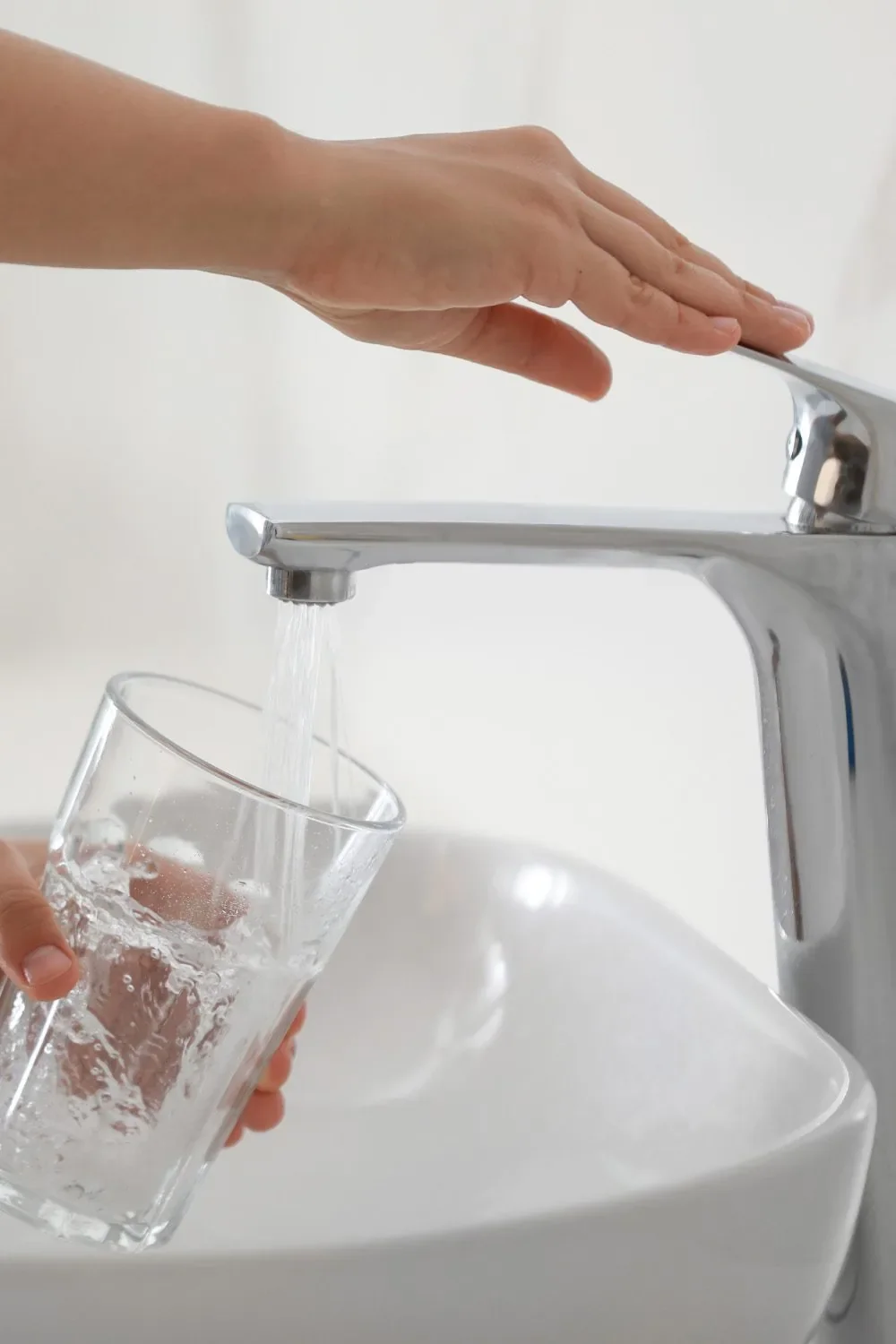
Between naturally-occurring substances, those used to disinfect water, and by-products from agriculture and industry, many Americans have tap water that contains potential carcinogens. These include arsenic, disinfection byproducts, nitrate, and per- and polyfluoroalkyl substances (PFAS, or “forever chemicals”).
Hexavalent chromium in drinking water has been linked to malignant tumors in animal studies, and uranium is known to contribute to breast, cancer, colorectal, and prostate cancer risk. Also found in tap water, BPA makes bottled water an unsafe alternative, as it, too, is linked to breast cancer tumor growth.
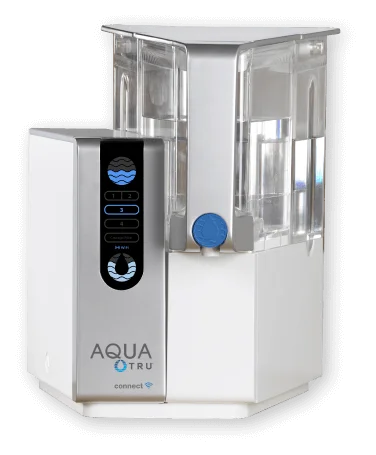
It’s not all bad news, though. Multi-stage reverse osmosis technology can go a long way to protect you and your family from these harmful contaminants. That’s the case in AquaTru water purifiers, which have been tested to NSF standards and therefore proven to remove dangerous contaminants. See for yourself by taking a look at the test results of our Countertop Purifiers!
While sipping on AquaTru’s clean, healthy water you can trust, take some time to learn more about breast cancer and how you can support relevant organizations. Check out the links below:
AquaTru recognizes that healthy water can go much further than just making every glass taste better. We hope you join us in observing Breast Cancer Awareness Month and recognizing that an optimized life starts with pure, safe, healthy water.