
Drink Cleaner. Live Better.
Get updates on pure water innovations, wellness tips, and exclusive subscriber perks.
Author: Ideal LivingSep 8, 2025

At AquaTru, we don’t water down the truth. So, we want to use the end of National Water Quality Month to explore the darker side of our most important beverage. Contaminated water is something we should be aware of, but the good news is that we can all do something to protect it. Let’s take a look at how we can ensure that each sip is as safe and sustainable as possible.
The average American consumes one to two liters of drinking water every day. Virtually all of it comes from groundwater aquifers and fresh surface waters, with a smaller amount coming from salt water and recycled (or reused) water.

Regardless of where it’s sourced, water passes through 148,000 public water systems that supply 90% of Americans with their water. At these facilities, various treatment methods are used to make the water safer to drink.
Commonly, a combination of chemicals and natural filters (charcoal, gravel, or sand) are used to remove germs, parasites, bacteria, viruses, dust, chemicals, and odors. Reverse osmosis is used when treating salt water or recycled water for drinking.
At the end of the treatment process, a chemical disinfectant (chloramine, chlorine dioxide, or chlorine) is often used to remove any viruses, bacteria, or parasites that remain.
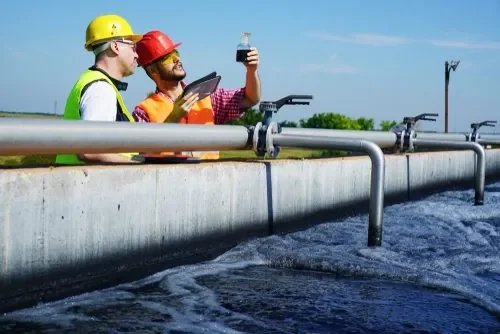
Water treatment methods are different in every community. In some regions where ground water has more toxins, radioactive particles, or nitrates, specialized methods have to be used.
This is because different sources of water pollution affect communities in different ways. Those closer to industrial or agricultural centers may have different drinking water contaminants than those who live in mountainous or forested regions.
The main sources of drinking water pollution include:
Almost all of us use consumer goods that can contribute to drinking water pollution, too. “Forever chemicals” like PFOA and PFOS are commonly used in non-stick cookware and protective coatings for packaging, fabrics, carpets, and other products.
Partially because they persist indefinitely in our environment, they can be found in the water supply of around 110 million Americans, or one-third of us.
Simply put, tap water in the U.S. contains more than 270 different contaminants. We get that this can be alarming for many households. If you want to ensure safe, toxic-free drinking water, a water purification system like AquaTru Countertop Reverse Osmosis Water Filter is your best bet.
Beyond that, you can play a role in limiting water pollution, too. Here’s how:
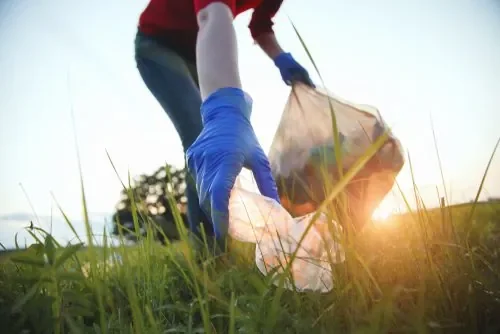
It’s important to remember that drinking water is a limited resource—and one we should be extremely grateful for.
Do your part to ensure that future generations have access to safe, clean drinking water by limiting pollution and conserving as much water as possible. Take shorter showers, repair leaks as soon as they’re noticed, and wash only full loads of laundry.
At AquaTru, we’re aware that 3 of every 4 households have dangerous drinking water. That’s why we’re giving back to those experiencing water injustices. With every purchase of an AquaTru product, a portion of our proceeds are used to provide AquaTru purifiers and filters to communities in need of clean water. Thank you for helping us clean up the water in this country.


